Shaker and handleless are the two styles we’re asked about most by homeowners in Oldswinford, and it’s rarely an obvious choice. Both work well across the area, but they suit different types of property and different ways of living. Here’s how to decide which is right for your home.
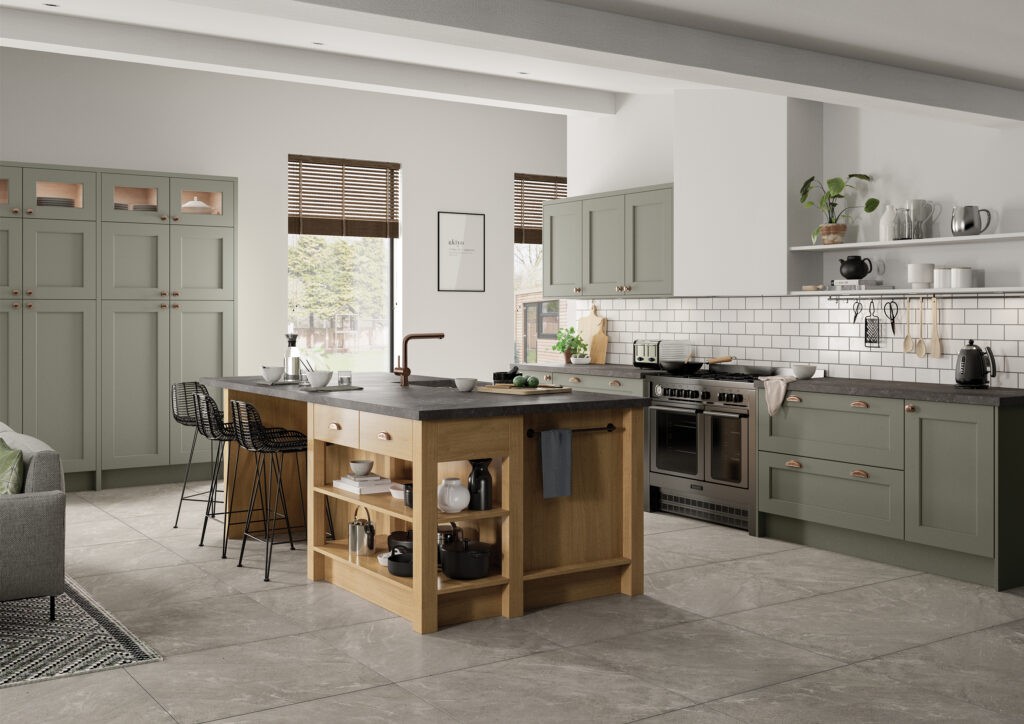
What Actually Makes a Kitchen “Shaker” or “Handleless”
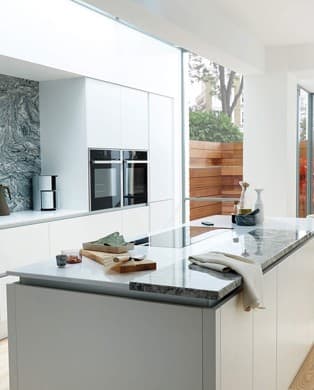
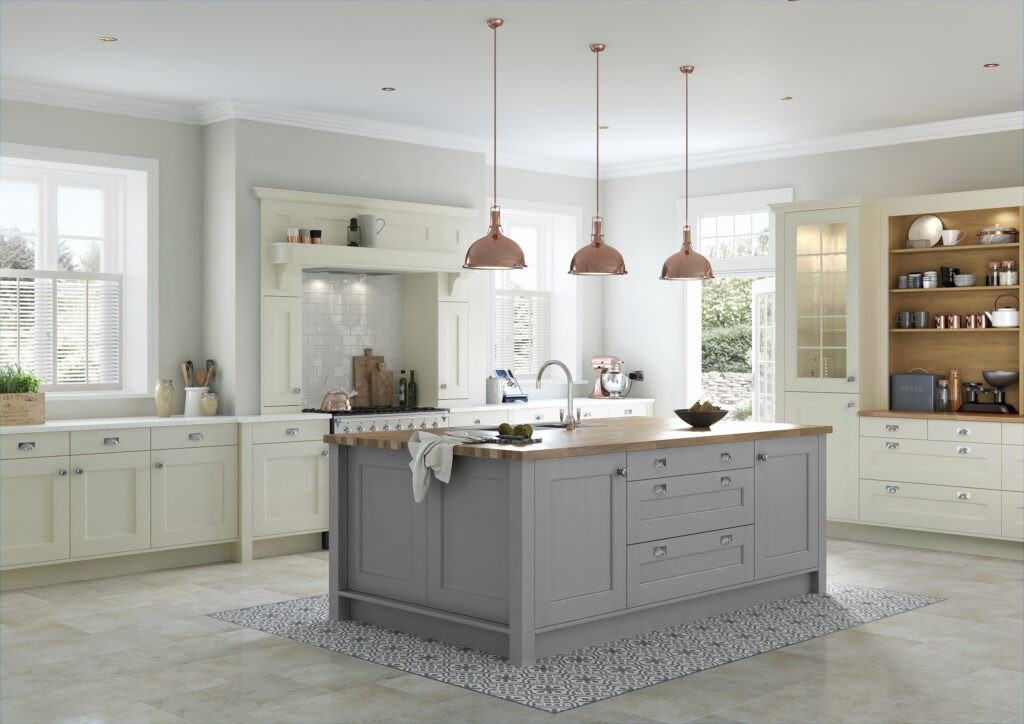
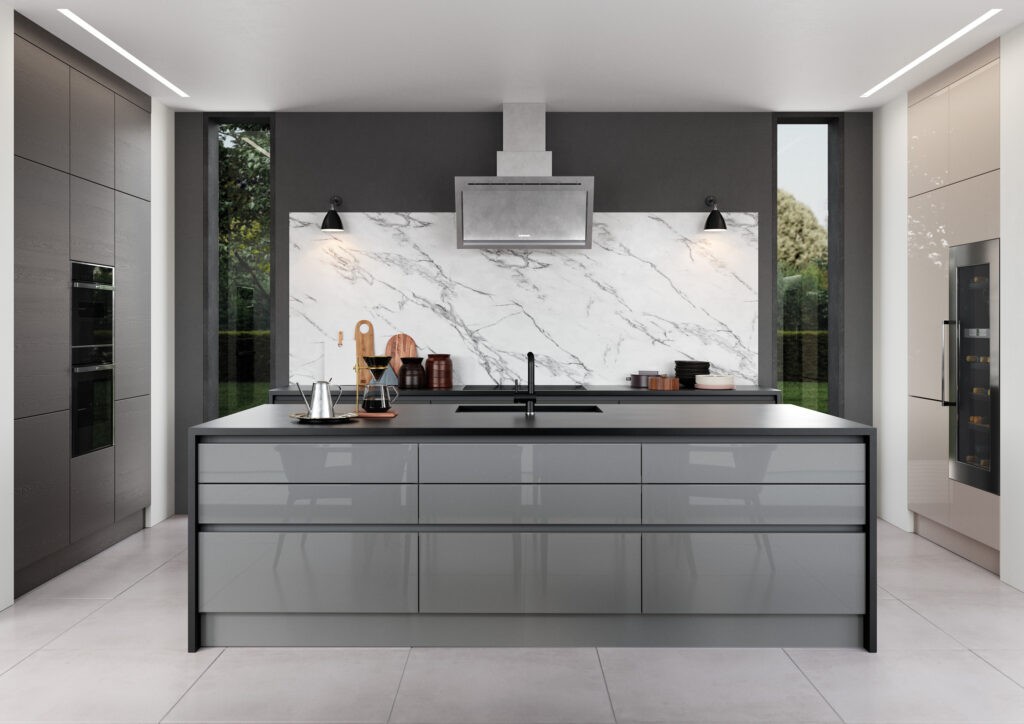
A shaker kitchen has a framed door front, usually with a slightly recessed centre panel, which gives it that classic, timeless look. It’s a style that’s been around for well over a century and still suits almost any property because of it. A handleless kitchen, on the other hand, uses either an integrated grip rail or push-to-open mechanisms, so there’s nothing protruding from the front of the units at all. The result is a much cleaner, flatter appearance.
Neither is inherently more “premium” than the other. It comes down to the look you want and, just as importantly, the character of the property it’s going into.
Which Style Suits Older Oldswinford Properties?
Oldswinford has a good number of period and older-style properties, and this is where shaker doors tend to earn their reputation. The framed door detail sits comfortably alongside original features like cornicing, deeper skirting boards, or a traditional bay window, without looking out of place. We find that homeowners renovating an older property are often drawn to shaker by instinct before they’ve even seen a handleless option, simply because it feels right for the house.
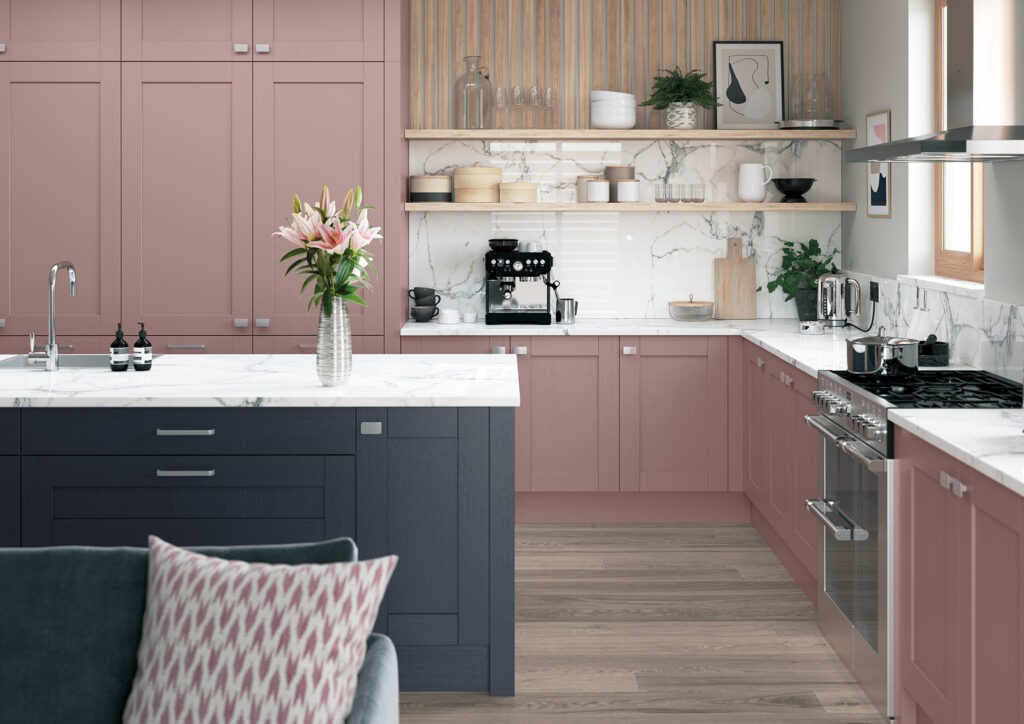
That said, shaker isn’t limited to period homes. A shaker door in a bold colour or a matt finish can look just as at home in a newer build, particularly if the rest of the kitchen leans traditional in its layout.
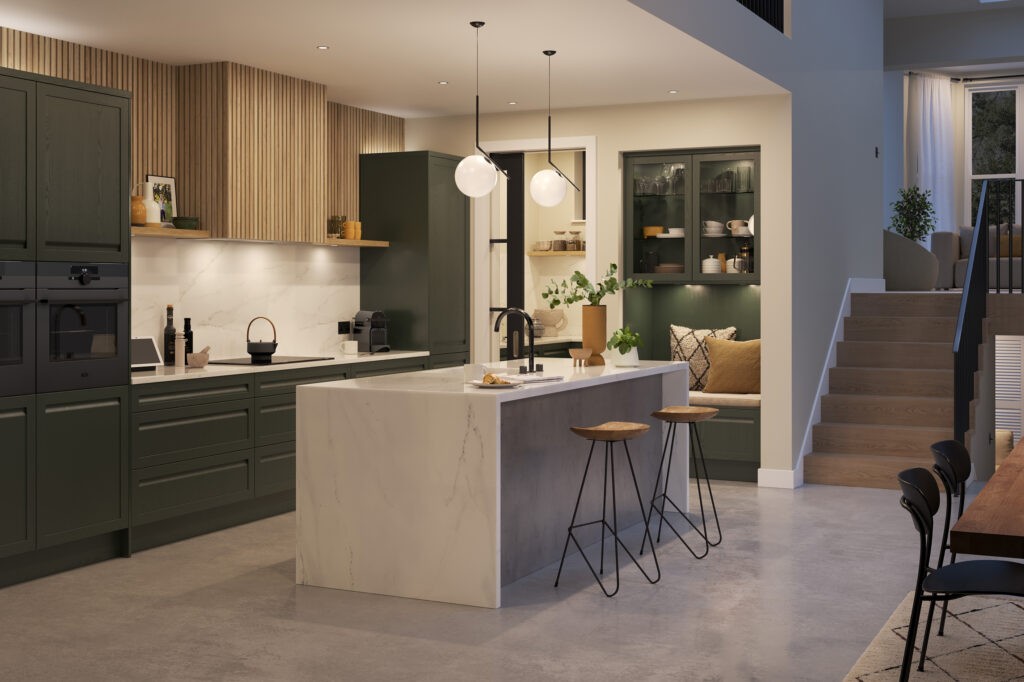
Which Style Suits Newer or Open-Plan Homes?
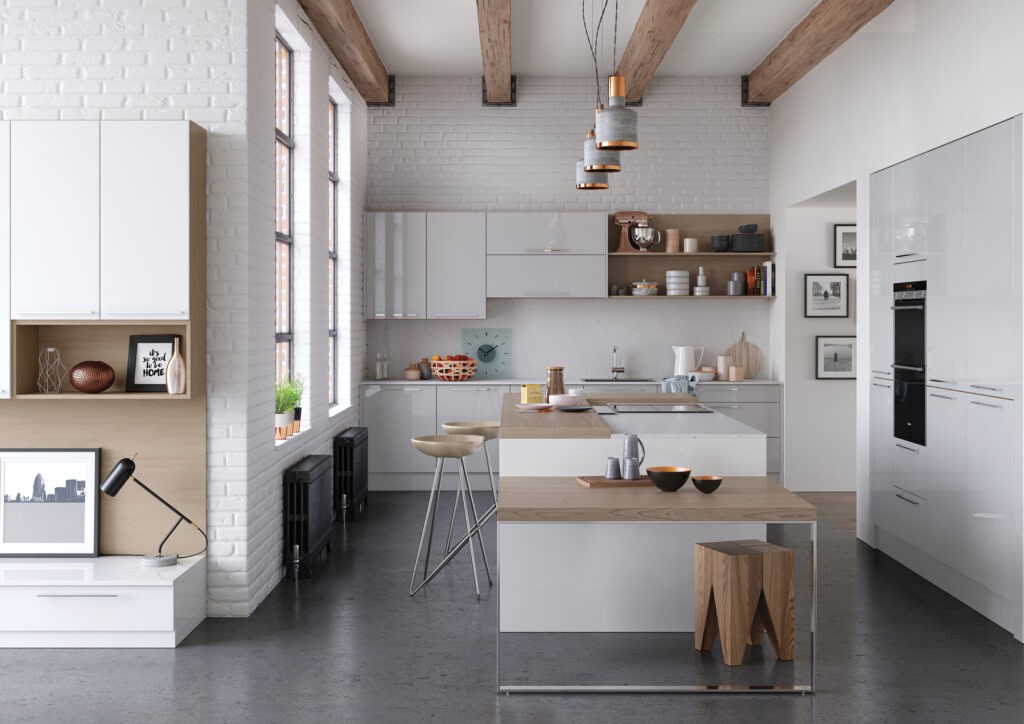
Where a kitchen opens directly into a dining or living space, a handleless design tends to work harder for the room. Without visible handles breaking up the run of units, the kitchen reads as one continuous surface, which suits open-plan layouts particularly well. It’s also a practical choice in a smaller kitchen, since there’s nothing for sleeves or hips to catch on when moving through a tighter space.
One thing worth knowing before you commit: push-to-open handleless doors need a firm, deliberate push to release, which some people love and others find mildly frustrating day to day. If you’re unsure, ask to try a display door at the showroom before deciding, since it’s a genuinely different feel to a shaker handle.
Practical Differences Worth Knowing
Cleaning is one area where the two styles differ more than people expect. Shaker doors have a recessed panel edge that can collect dust and grease over time, particularly around the cooking area, and need a bit more attention during a deep clean. Handleless doors are flatter and generally easier to wipe down in one motion, though fingerprints and smudges can show more on a high-gloss handleless finish than on a matt shaker door.
Cost-wise, neither style is consistently more expensive than the other. It’s driven far more by the finish, the material, and the size of the kitchen than by whether it’s shaker or handleless.
Making the Decision
If you’re still torn, start with the character of your home rather than the latest trend. A shaker door will rarely look wrong, even years down the line, which is part of why it remains so popular. A handleless design makes more of a statement and suits a specific kind of space particularly well, but it’s worth being sure it’s the look you want for the long term rather than because it’s currently in every kitchen magazine.
Every kitchen we design, whichever style you choose, is made to measure in our own West Midlands factory, so the layout and finish is built specifically around your home rather than adapted from a standard size. Our Oldswinford showroom has both shaker and handleless displays out, alongside gloss and painted finishes, so it’s worth seeing both in person before deciding.
Request a free brochure to see the full range of styles and finishes, or visit our Oldswinford showroom to see them in person.
Frequently Asked Questions
Is a shaker kitchen more expensive than a handleless one?
Not as a rule. Price is driven mainly by the material, finish, and size of the kitchen rather than whether the doors are shaker or handleless.
Can I mix shaker and handleless within the same kitchen?
It’s unusual to combine both on base and wall units, but some homeowners choose a handleless design for tall units like larders or fridge housing while keeping shaker doors elsewhere. Your designer can advise on whether this would suit your layout.
Are handleless kitchens harder to keep clean?
They’re generally easier to wipe down since there’s no handle to work around, though fingerprints can show more on high-gloss handleless finishes than on a matt shaker door.
Will a handleless kitchen suit an older property?
It can, particularly if the rest of the property has already been modernised, but it’s worth seeing a display in person first, as the contrast with period features can be more noticeable than expected.
Can I see both styles at the Oldswinford showroom?
Yes, our Oldswinford showroom has both shaker and handleless displays out, so you can compare finishes and try the doors in person before making a decision.